Home » Dry Eye Disease
Dry Eye Disease
Dry, gritty, burning or watery eyes can make everyday tasks such as reading, driving, screen use and contact lens wear uncomfortable. At Brian D Suttie (Chesham) Ltd, we offer a dedicated dry eye assessment and treatment service to identify the likely cause of your symptoms and recommend a tailored management plan.
What is dry eye disease?
Dry eye disease occurs when the tear film no longer keeps the surface of the eye comfortable and stable. This may happen because the eyes do not produce enough tears, because the tears evaporate too quickly, or because the different layers of the tear film are out of balance.
Your tear film has three important layers: an oily layer that helps prevent evaporation, a watery layer that hydrates and nourishes the eye, and a mucin layer that helps tears spread evenly. Problems with any of these layers can lead to irritation, fluctuating vision and discomfort.
How common is dry eye?
Dry eye is very common. Research suggests that dry eye disease affects around one-third of adults in the UK, although symptoms and severity vary from person to person. It can affect people of all ages, but it becomes more common with age and is often associated with hormonal changes, certain health conditions, medication use, screen time and contact lens wear.
Common symptoms
- Dryness, grittiness or a sandy feeling
- Burning, stinging or irritation
- Red or tired-looking eyes
- Watery eyes, especially outdoors or in wind
- Blurred or fluctuating vision
- Sensitivity to light
- Discomfort with contact lenses
- Symptoms that worsen with screens, reading, driving or air conditioning
What causes dry eye?
Dry eye is usually multifactorial, which means there may be more than one contributing cause. One of the most common causes is meibomian gland dysfunction, where the small oil glands in the eyelids do not release enough healthy oil into the tear film. Without this oil layer, tears evaporate too quickly.
- Meibomian gland dysfunction or blocked oil glands
- Blepharitis or inflammation around the eyelids
- Long periods of screen use and reduced blinking
- Contact lens wear
- Dry, windy or air-conditioned environments
- Age-related changes and hormonal changes
- Certain medicines, including some antihistamines, antidepressants and blood pressure medicines
- Health conditions such as autoimmune disease, rosacea, diabetes and thyroid problems
- Previous eye surgery or eye inflammation
Our dry eye assessment
A dry eye assessment helps us understand which part of the tear film is affected and whether the eyelid oil glands are contributing to your symptoms. At Brian D Suttie (Chesham) Ltd, we use IDRA technology to assess the ocular surface and tear film in detail.
IDRA can help us evaluate features such as tear film stability, lipid layer quality, tear meniscus height, blinking, redness and the structure of the meibomian glands. This gives us objective information to guide your personalised treatment plan and to monitor progress over time.
Treatment options
Dry eye treatment depends on the type and severity of dry eye. For some people, simple changes and lubricating drops may be enough. For others, especially where meibomian gland dysfunction is present, in-practice treatments can help improve the quality of the tear film and reduce evaporation.
Activa heat and massage mask
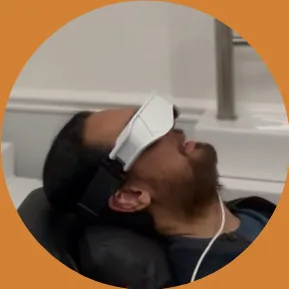
The Activa heat mask uses controlled warmth with gentle massage to help soften and release oils from the meibomian glands. This can support a healthier lipid layer, helping tears stay on the eye for longer and improving comfort.
TearStim IRPL treatment
TearStim uses intense regulated pulsed light technology. Short pulses of light are applied to the area below the eyes to stimulate the nerves associated with meibomian gland activity. The aim is to improve oil secretion, stabilise the tear film and reduce the cycle of evaporation and irritation.
At-home care and ongoing management
Your optometrist may also recommend lubricating eye drops, eyelid hygiene, blink exercises, environmental changes, contact lens adjustments or follow-up reviews. Dry eye is often a long-term condition, so the best results usually come from a consistent plan that treats the underlying cause as well as the symptoms.
What to expect at your appointment
- We discuss your symptoms, lifestyle, contact lens wear, health history and current medications.
- We assess the tear film and eyelids using appropriate clinical tests, including IDRA where indicated.
- We explain the likely cause of your dry eye in clear language.
- We recommend a treatment plan, which may include Activa heat mask treatment, TearStim IRPL, at-home care or a combination approach.
- We arrange follow-up where needed to monitor improvement and adjust your plan.
Frequently asked questions
Why do my eyes water if they are dry?
Watery eyes can be a sign of dry eye. When the tear film is unstable, the eyes may produce reflex tears, but these tears may not have the right balance of oil, water and mucin to keep the surface comfortable.
Will dry eye go away on its own?
Some mild symptoms may improve with changes to your routine, but persistent dry eye often needs ongoing management. Identifying the cause is important so that treatment is targeted rather than simply masking symptoms.
Is TearStim IRPL painful?
TearStim treatment is designed to be quick and comfortable. Protective eye shields and gel are used during treatment, and your optometrist will explain what to expect before beginning.
How many treatments will I need?
This depends on your symptoms, clinical findings and the treatment selected. We will advise you after your assessment and recommend a review schedule if ongoing care is needed.
Book a dry eye assessment
If you are experiencing dry, gritty, burning, red or watery eyes, contact Brian D Suttie (Chesham) Ltd on 01494 784141 or email reception@briansuttie.co.uk to book a dry eye assessment. We will help identify the cause of your symptoms and discuss the most suitable treatment options for your eyes.