As October arrives, the roads around Chesham and the Chilterns change character. The sun sits lower in the sky, mornings start in murky half-light, and by late afternoon many of us are driving home in the dark. For drivers, this is one of the most visually demanding times of the year, and small problems with your eyesight or your glasses can suddenly feel much bigger.
Why autumn is tough on drivers’ eyes
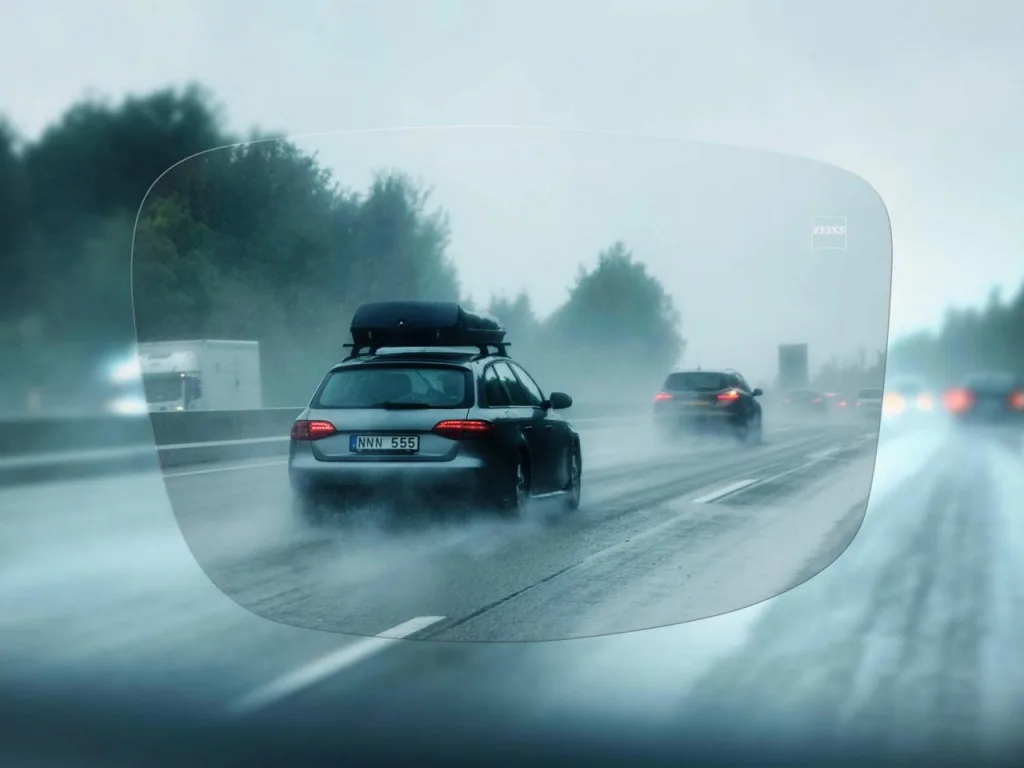
A low sun shines straight through the windscreen at exactly the angle that causes the most dazzle. Wet roads and fallen leaves add reflections, while greyer days reduce contrast, making cyclists, pedestrians and road markings harder to pick out. After the clocks go back, more of your driving happens under headlights and street lighting, where glare from oncoming traffic becomes a common complaint.
If your prescription has drifted even slightly, these conditions expose it. Many patients tell us their vision seemed “fine” all summer, only to notice blur, halos or tired eyes once the evenings draw in.
Simple steps for safer autumn driving
- Clean your windscreen inside and out. A film on the inside of the glass scatters low sunlight and headlight glare dramatically.
- Keep your glasses spotless and scratch-free. Scratched lenses scatter light in the same way; an anti-reflection coating makes a real difference at night.
- Keep sunglasses in the car. Polarised lenses cut reflected glare from wet roads, but take them off once the light fades.
- Avoid tinted “night driving” glasses. Any tint reduces the light reaching your eyes after dark, which is the opposite of what you need.
- Use your sun visor early and leave extra distance when driving towards the sun.
Lenses designed for driving
If night glare or low-light blur bothers you, specialist lenses can help. Essilor DriveSafe lenses are designed to reduce glare from headlights and improve vision in changing light, while a quality anti-reflection coating reduces the halos many drivers notice around lights. Our team can talk you through the options and help you decide whether a dedicated driving pair makes sense for the amount of time you spend on the road.
When to have your eyes checked
If you’ve noticed more glare than usual, difficulty judging distances at dusk, or eyes that feel tired after a drive, it’s worth booking an appointment. These can be signs of a changed prescription, early cataract, or dry eye, all of which are straightforward to assess during a thorough eye examination.
Before the darker months set in, make sure your vision is ready for them. Book an eye examination at Brian D Suttie Opticians in Chesham, and drive into autumn with confidence.