Every driver in the UK has a legal responsibility to make sure their eyesight meets the required standard, not just when they pass their test, but every time they get behind the wheel. Yet because vision often changes gradually, many drivers don’t realise their eyesight has slipped below what’s needed. With winter’s darker, wetter driving conditions now here, it’s a good time to check.
What is the DVLA eyesight standard?
For car and motorcycle drivers, the standard includes three key elements:
- The number plate test: you must be able to read a car number plate made after 1 September 2001 from 20 metres, in good daylight, with glasses or contact lenses if you need them.
- Visual acuity: you must have a visual acuity of at least decimal 0.5 (6/12 on the Snellen scale) using both eyes together, or one eye if you only have sight in one.
- Visual field: you must have an adequate field of vision.
Drivers of lorries and buses must meet higher standards. If you need glasses or contact lenses to meet the standard, you must wear them every time you drive.
Why vision changes go unnoticed
The brain is remarkably good at adapting to gradual blur, so many people don’t notice a slow decline. Conditions such as cataracts and glaucoma can also develop without obvious symptoms in their early stages. Glaucoma in particular affects peripheral vision first, which is essential for spotting hazards at junctions and roundabouts. That’s why regular eye examinations matter, even if you feel your vision is fine.
Signs your driving vision may need checking
- Difficulty reading road signs until you’re close
- Increased glare from oncoming headlights
- Struggling to judge distances or see clearly at dusk
- Feeling less confident driving at night
- Tired eyes or headaches after driving
Your responsibilities
If you have certain eye conditions, such as glaucoma affecting both eyes, or you can no longer meet the standard, you must tell the DVLA. Driving with eyesight below the legal standard can lead to a fine, penalty points, and potentially invalidate your insurance. If you’re unsure whether a condition affects your licence, we can explain your situation and guide you on next steps.
Better vision for driving
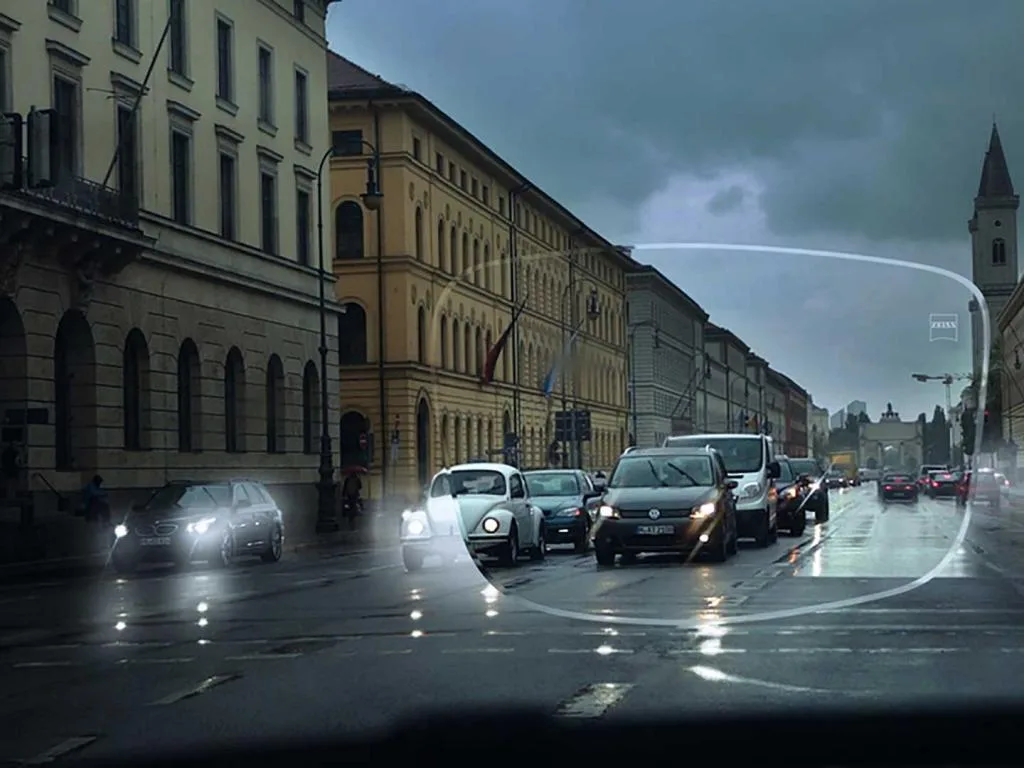
Keeping your prescription up to date is the single most important step. Beyond that, lenses designed for driving, such as DriveSafe lenses, and good anti-reflection coatings can make winter driving noticeably more comfortable. Our earlier article on night vision problems explores this further.
Make sure your eyes are road-ready. Book an eye examination at Brian D Suttie Opticians in Chesham and drive with confidence this winter.