A squint, known medically as strabismus, is a condition where the eyes don’t point in the same direction. One eye may turn inwards, outwards, upwards or downwards while the other looks straight ahead. Squints are common in childhood but can also develop in adults, and in every case they deserve a proper assessment.
Squints in children
Many squints appear in the first few years of life. Common causes include:
- Long-sightedness: the extra effort needed to focus can cause one eye to turn inwards.
- A family history of squint or lazy eye.
- Problems with the eye muscles or the nerves that control them.
Some squints are constant, while others only appear when a child is tired, unwell or looking at something close up. A squint can lead to a lazy eye (amblyopia), as the brain learns to ignore the image from the turning eye. This is why early detection is so important.
Young babies’ eyes can occasionally wander as they learn to focus, but if you notice a squint persisting beyond around three months of age, it should be checked.
Squints in adults
An adult may have had a squint since childhood, or it may develop later in life. A new squint in adulthood can be caused by conditions such as diabetes, thyroid eye disease, high blood pressure, or problems affecting the nerves or brain. Adults with a new squint often experience double vision.
Important: a sudden squint or sudden double vision in an adult should be assessed urgently, the same day if possible, as it can occasionally indicate a serious underlying problem. If accompanied by headache, weakness, facial drooping or difficulty speaking, call 999.
How squints are treated
Treatment depends on the cause and the patient’s age, and may include:
- Glasses to correct an underlying prescription, which can straighten the eyes on their own in some children.
- Patching or eye drops to treat any associated lazy eye.
- Prisms built into spectacle lenses, which can help relieve double vision in some adults.
- Eye exercises for certain types of squint.
- Injections or surgery on the eye muscles, carried out by a hospital specialist where appropriate.
How we can help
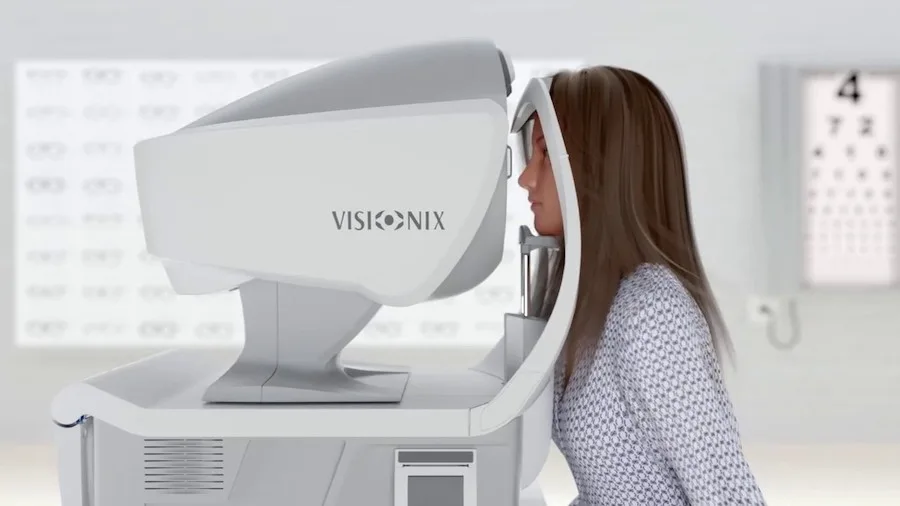
During an eye examination, we assess how well the eyes work together, check for any turn, and measure your prescription precisely. Where needed, we’ll refer you or your child to a hospital orthoptist or ophthalmologist and continue to support you with glasses and monitoring.
If you’ve noticed an eye turning, or you’re experiencing double vision, please don’t wait. Book an appointment at Brian D Suttie Opticians in Chesham.